
Local Jackpot vs Network Jackpot: Choosing the Right Prize Pool
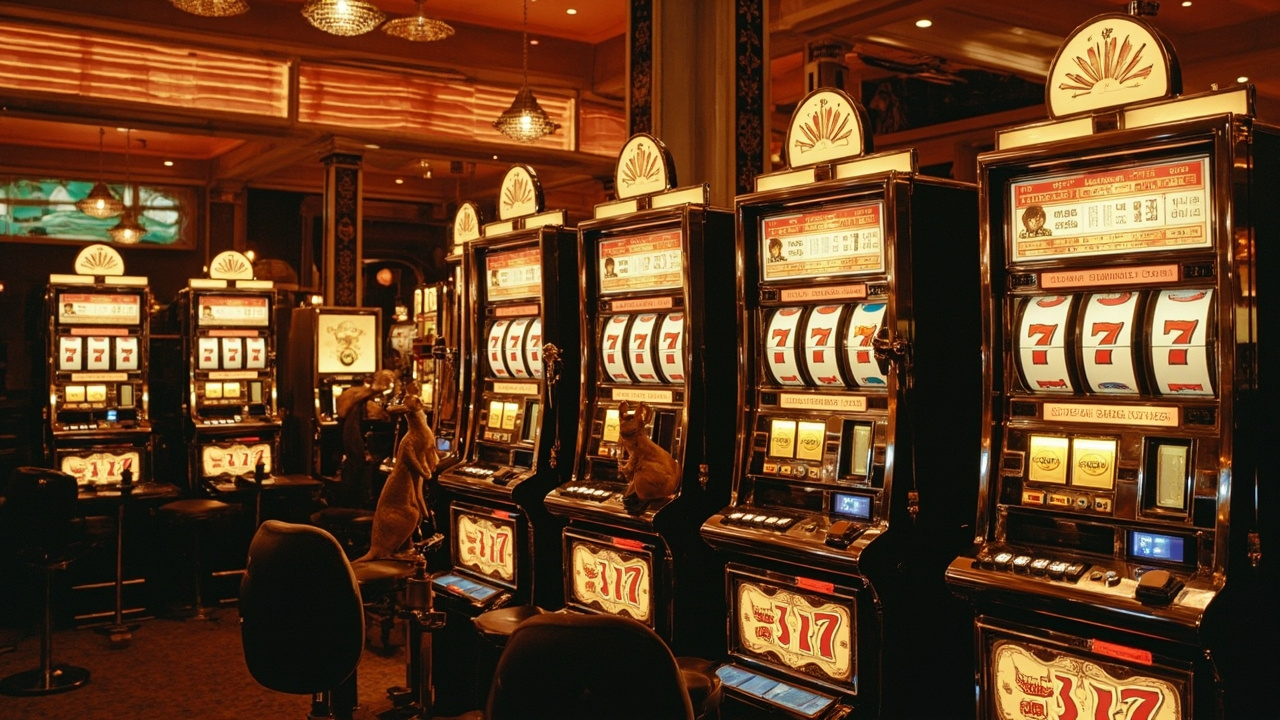
H1: Local Jackpot vs Network Jackpot: Which Prize Pool Actually Pays
Walking into a casino lobby feels a bit like wandering through a Cairns market on a wet arvo - every stall yelling about prizes, and half of them are selling the same fish wrapped in different paper. We’ve tested plenty of platforms that dangle local jackpot vs network jackpot options, and the difference isn’t just marketing gloss; it’s the shape of the prize pool, the pace of the game, and whether you’re chasing a ceiling that ticks down or a pot that swells with every spin across multiple rooms. If you’re after a straight answer rather than a brochure full of sparkle, you’ll want to know how each mechanic actually behaves when the reels stop and the maths kicks in.
H2: How the Prize Pools Are Built and Where the Ceiling Sits
A local jackpot sits inside one game or one venue’s ecosystem, which means the pot grows from that single room’s traffic and resets on a schedule or when someone finally clips it. The “must-hit-by” jackpot guarantees a win before a stated ceiling, so the ticker is climbing toward a fixed roof rather than drifting forever. A network jackpot, by contrast, pools contributions across several games and sometimes several operators, which is why the numbers can swell to eye-watering figures before a single lucky spin clears it out. We’ve tracked both models long enough to see that the local version usually pays more often, while the networked one pays less often but can throw a heavier lump when it finally lands. Neither setup bends probability to your favour, and anyone suggesting otherwise is selling a map to a rainbow.
H2: Where the Interface and Localisation Actually Help or Hindrance
A clean interface matters more than most players admit, because you’re usually making fast decisions while the ticker is ticking and the arvo light is fading on your screen. We prefer lobbies that show the current pool, the must-hit-by ceiling, and the contribution rate in plain language rather than hiding them behind a folder of pop-ups. Currency display should match what you actually deposit in, and language localisation needs to feel like it was written for the room you’re sitting in, not translated twice and pasted over a European template. Navigation should let you jump from a local jackpot table to a networked one without relearning the whole layout each time. When a platform forces you to hunt for basic pool details, it’s not a design quirk - it’s a friction tax on your patience.
H2: How the Bonus Mechanics and Payment Flow Shape the Real Value
Bonus mechanics around jackpot games rarely do the heavy lifting people expect, and the fine print usually decides whether a free spin or deposit match actually touches the pool you care about. We’ve seen local setups where the bonus credits contribute to the same room prize, and networked ones where the contribution rate drops because the pot is shared across a wider stack of titles. Payment flow is just as telling: a smooth withdrawal path, clear currency handling, and a registration process that doesn’t ask for the same detail three times usually signals a room that’s organised enough to pay attention when a big hit lands. If you want a broader look at how wagering requirements interact with jackpot contributions, the breakdown in this Cazeus Casino piece lays out the reading order without the usual blur. We’re not here to pretend bonuses turn a ceiling into a guarantee, because they don’t.
H2: What the Daily Grind Looks Like When You’re Actually Playing
The day-to-day experience is where theory meets the chair and the screen. A local jackpot game tends to feel tighter and more repetitive, with smaller wins arriving more regularly and the big one sitting under a stated ceiling that keeps moving closer. A networked jackpot can feel like watching a slow tide, because the numbers climb across many accounts and many sessions before someone finally walks off with the lot. Mobile play should hold the same pool information as the desktop view, not shrink it into a puzzle, and support should answer a straight question without making you reenact the whole registration in a chat window. Loyalty programmes around these games are usually just a record of your activity, see more not a secret lever that tilts the odds, so treat them as a logbook rather than a magic wand.

- Pick the pool type that matches the pace you actually want, local for frequent smaller hits or networked for a slower climb toward a bigger ceiling.
- Check the must-hit-by figure and the current contribution rate before you put money in, because those two numbers tell you more than the headline amount.mimozakusari.com
- Confirm the currency, the bonus contribution rules, and the withdrawal path so you’re not surprised when a win lands and the paperwork starts.
- Play the game for a session without treating the ticker like a timetable, since a ceiling is a limit, not a promise.
Most players don’t need a lecture on pool architecture; they need to know which setup fits the way they actually sit down and play. If you want regular action with a clearer ceiling and a room that feels like its own little ecosystem, a local jackpot is usually the better match. If you’re happy watching a shared pot climb across many games and don’t mind waiting longer for a bigger hit, a networked jackpot is the one that suits that rhythm. Either way, the must-hit-by jackpot guarantees a win before a stated ceiling, which is the only honest line in the whole conversation.